Experience to impact: Reflections on making the most of international exchanges
26 Jun 2025
Share

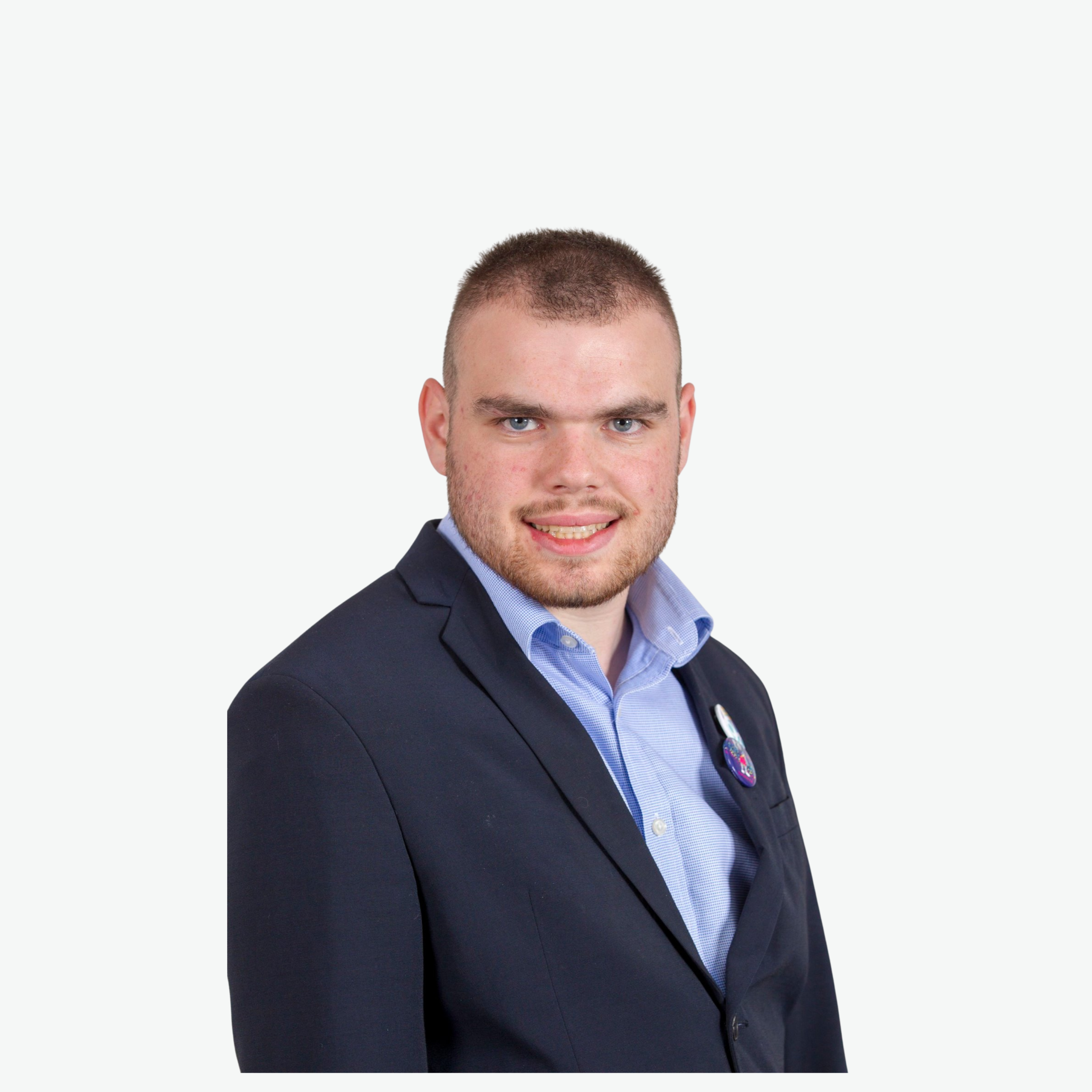
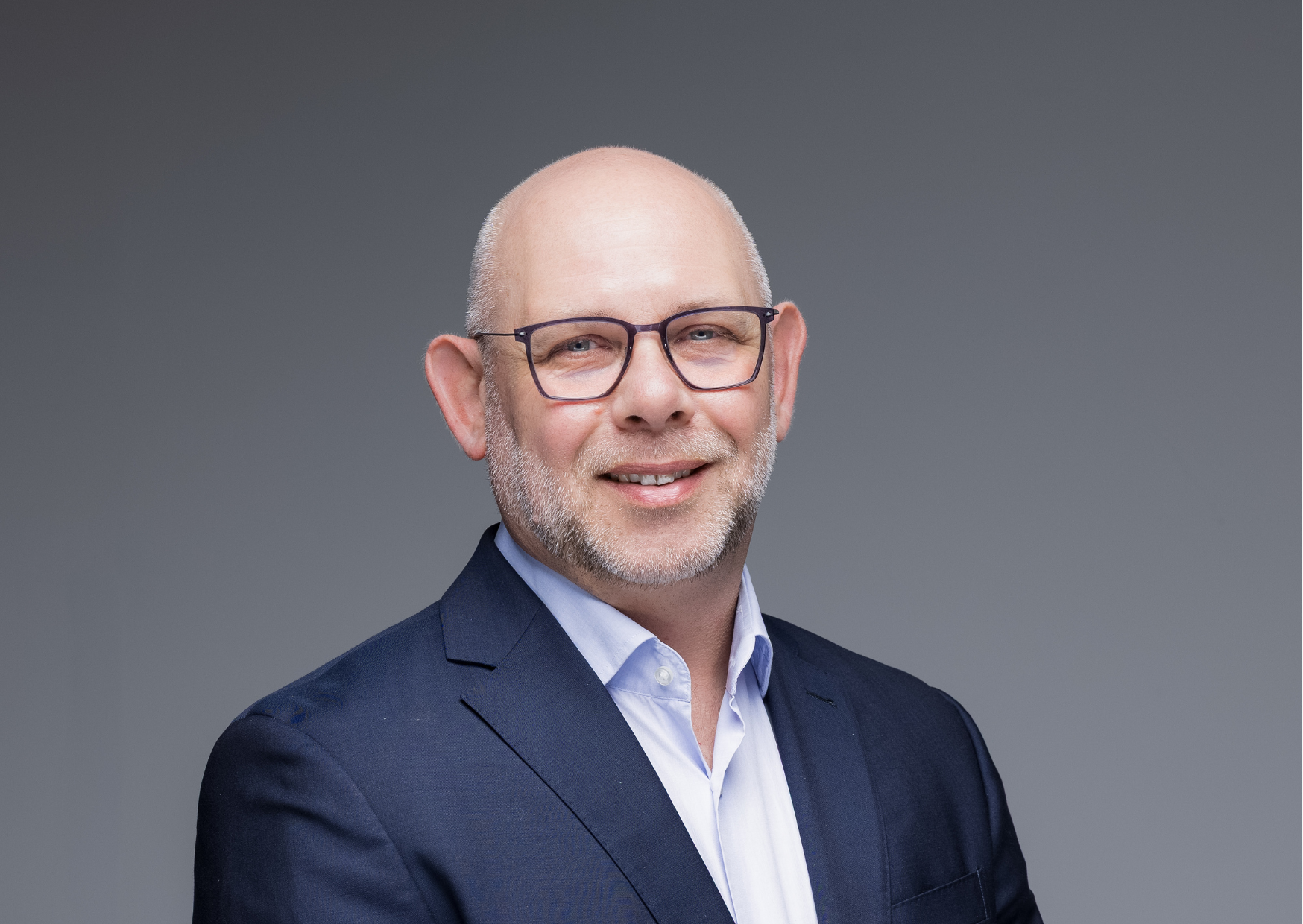
At a recent meeting of the GLE Global Leadership Advisory Group – Disability (GLAG-D), three leaders from Scotland shared their reflections on the impact of international exchanges. Charlie McMillan, Cameron Smith, and Linda Mitchell shared the transformative power of international exchange and shared learning, and how this shaped their work at the Scottish Commission for People with Learning Disabilities (SCLD) in centring the voices of people with learning disabilities.
The transcript of the webinar is available for download.
Charlie (former Chief Executive of SCLD) described his participation in the 2019 Leadership Exchange in Washington D.C. as an important moment. An invitation to attend from Donna Bell in the Scottish Government came at a time when SCLD was in a period of change and was facing a pressing challenge: poor life outcomes of people with learning disabilities in Scotland.
During the 2019 Leadership Exchange, Charlie attended the Methods of Preparing the Next Wave of Leaders in Disability Match, hosted by Aaron Bishop. Through this Match, Charlie met a range of leaders and learned about work which transformed his view of what was possible in the direct leadership by people with disabilities. The lessons he took from the Match underscored the need for intentional capacity building, investment, support, and environmental transformation.
As Charlie put it, “You can’t just turn around to people who live lives on the margins and expect them to join in the world as we know it.”
To take forward these insights from the Exchange, SCLD developed two key initiatives: Our Future Leaders and Include for Good. The first is a training program to build leadership skills among people with learning disabilities. The program links trainees with ‘sponsors’ – volunteer community members who support trainees to apply the skills they’re learning in the real world. The second, Include for Good, supports ten rapporteurs with lived experience to work with leaders across Scotland to change attitudes and make Scotland a more equal place. The rapporteurs are backed by training in human rights and advocacy.
SCLD took several years to develop and mature these programs, guided by the below fundamental pillars:
- Inviting others in and working in partnership: improving life outcomes can’t be achieved by any one sector alone – it requires working together. SCLD recognised the power of inviting others to participate and collaborate on the development of these programs. Just as Charlie was invited to participate in the 2019 Exchange, he invited others to participate in developing the next steps, and unlocked opportunities for others to participate in future Exchanges.
Further, this approach is reflected in the design of the two programs, including the focus on connecting with general community leaders with people with learning disabilities and partnering with Inspiring Scotland to develop and deliver governance training. - Co-production: SCLD basing the programs on the ambition, needs, and priorities of people with learning disabilities. As the programs mature, they are increasingly engaging in co-delivery and co-evaluation with people with learning disabilities who have developed skills and confidence through their participation.
- Progressively building: When starting up these programs, SCLD took modest first steps, piloted programs, reflected on improvements, and expanded gradually. This has enabled the programs to establish strong, supportive relationships that support their expansion.
- Focus and consistency: While there are a wide range of potential priorities, these programs were successful because SCLD was able to choose a focus area (building the leadership of people with learning disabilities) and consistently take steps towards this goal.
Cameron (SCLD Development Worker) and Linda (SCLD Interim Chief Executive) highlighted the positive impacts being experienced five years later.
As an organisation, SCLD is increasingly recognised for their expertise in developing the leadership of people with learning disabilities and leading collaborative systems change. The organisation is now sharing its expertise on developing a Positive Behaviour Support Community of Practice with the Ontario provincial government in Canada.
The Include for Good program has developed the skills of 10 Rapporteurs, all with living experience of learning disability, who are now engaging in advocacy with senior government bureaucrats and parliamentarians in Scotland.
Linda noted “it’s powerful to see that evolution in people’s confidence over that time. And their professionalism and their passion to make Scotland a better place for people with learning disabilities is evident.”
Most importantly, SCLD’s approach has resulted in positive outcomes on a personal level for those involved as staff, volunteers, and program participants. In addition to his work role, Cameron has been supported to progressively develop his skills as a leader by taking on new opportunities. He has:
- Gained experience being part of an international committee through being a member of GLE’s Global Leadership Advisory Group – Disability.
- Presented at an international online workshop and helped to develop the final Principles for the Genuine Inclusion of Emerging Leaders.
- Contributed to the design and planning for the 2024 Emerging Leaders Match.
- Presented as a panel member at the 2024 Network Meeting on the Youth Voice Panel.
Cameron said “bringing that lived experience to the conference itself was fantastic… I spoke about the barriers around employment to young people with learning disabilities face in Scotland. With Charlie and others, I got to meet Queen Máxima of the Netherlands and tell her I bought my own house.”
International engagement also provided practical support during crisis. When COVID-19 hit, Charlie recalled a pivotal webinar with emergency response leaders from Hurricane Katrina. Their insights reshaped his crisis leadership approach during Scotland’s long lockdown—particularly how to remain people-focused and proactive. That same spirit drove SCLD to tackle the digital divide head-on, creating accessible guides and online support for people with learning disabilities who were at risk of being left behind.
What emerges from SCLD’s experience is a compelling case for the power of relational leadership, ongoing collaboration, and knowledge exchange. The ideas sparked at one Exchange can have long-lasting ripples and unknown positive impacts.
Written by Aisling Blackmore.