We are a global collaboration

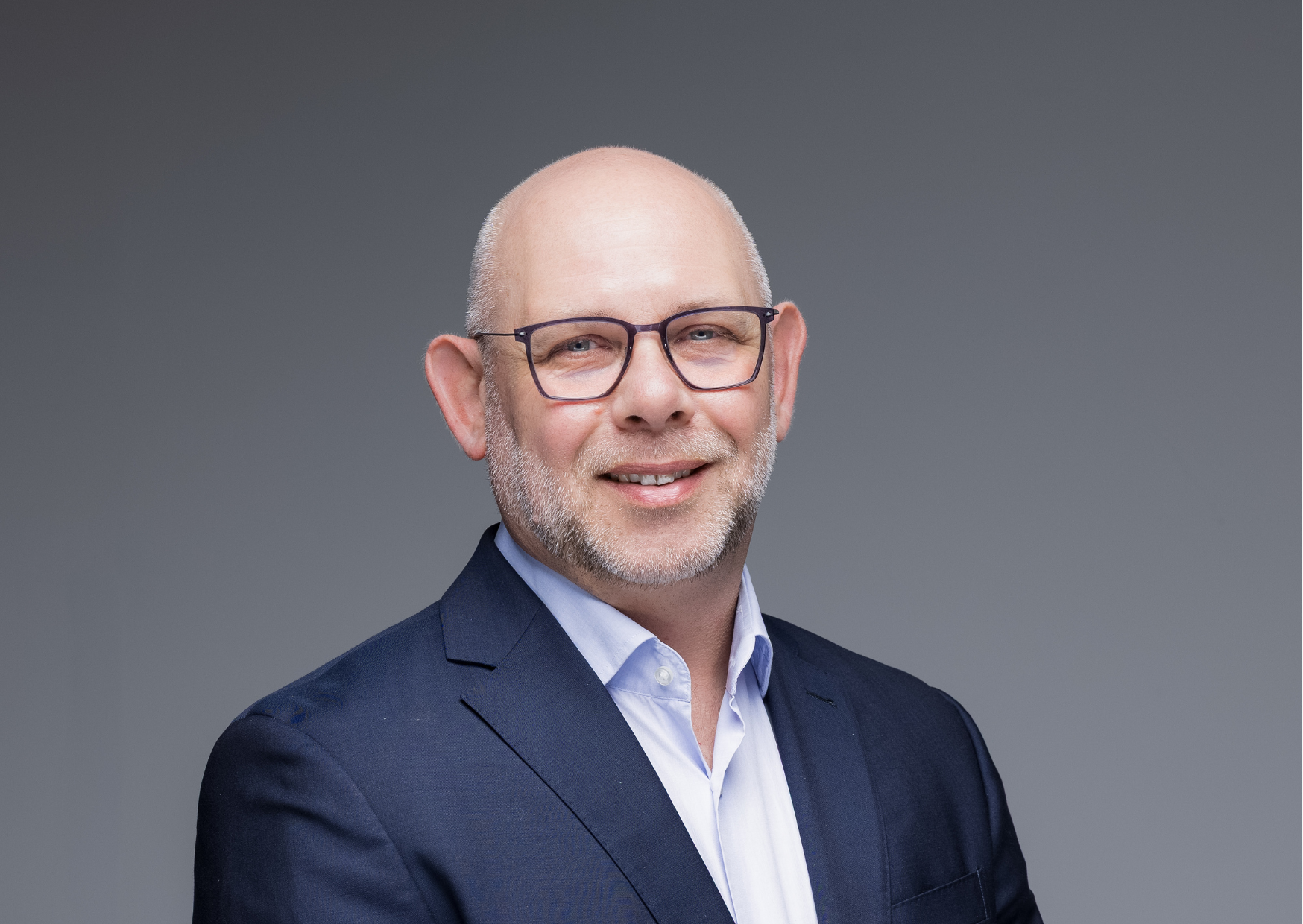
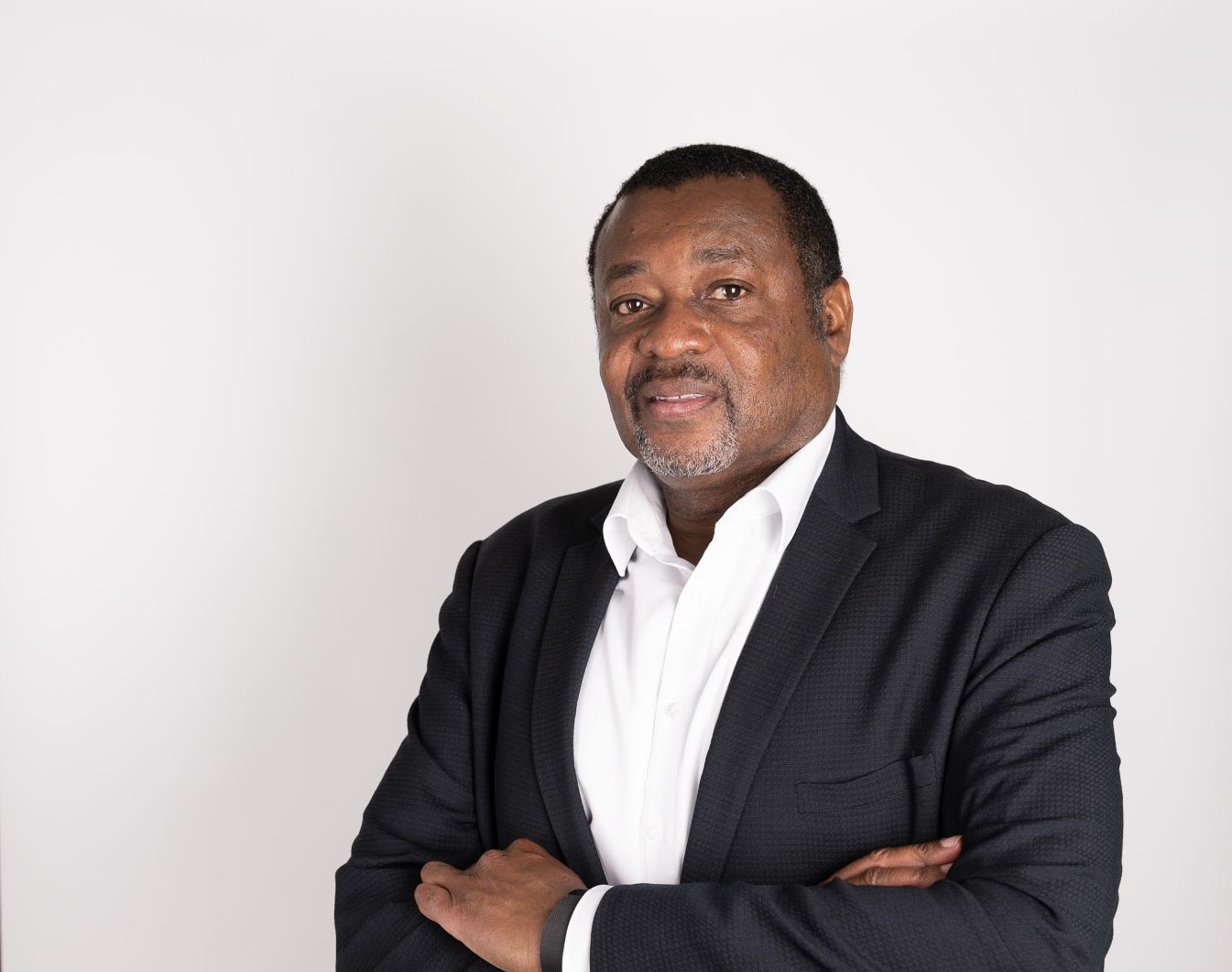
A virtual international office is led by Steve Appleton, President and CEO.

A small global team works flexibly across multiple time-zones providing a wide range of expertise, network facilitation, membership coordination, communication and administrative support. 

Light blue curved shape Blue square shape Yellow circle shape
Leaders in discussion round a table at GLE's Leadership Exchange in Utrecht 2024

We convene members and provide space to share their leadership experiences, knowledge and insights to help find solutions and overcome challenges to improve services and outcomes for people with a disability, mental health or substance use and addiction problems. 

We have developed our Leadership Principles which we keep under regular review so if you have any feedback, please let us know.

Our History

We became Global Leadership Exchange (GLE) in November 2023.  

Previously we had two separate entities known as International Initiative for Mental Health Leadership (IIMHL) and International Initiative for Disability Leadership (IIDL). We worked with our funders and members to launch oura new name and identity, creating one organization. 

Our membership of Global Leadership Exchange has been so valuable for the Scottish Commission for People with Learning Disabilities work. From our first engagement in 2019 through to today, we have used the creative challenge of GLE discussions, webinars and matches to drive forward the development of our organizational strategy, and especially our emerging leaders work. Scotland now has a bespoke leadership programme for leaders who have a learning disability and this would not have been possible without the knowledge exchange provided through GLE

Charlie McMillan, former CEO, Scottish Commission for People with Learning Disabilities

Advisory Groups

Global Leadership Advisory Groups (GLAGs)  inform the work and strategic priorities of  GLE.

Substance Use and Addictions is currently represented within the Mental Health and Disability Advisory Groups.

    • Australia

      Dr Grant Sara

      Director, InforMH, New South Wales Ministry of Health

    • Paul McCormack

      Interim CEO, National Mental Health Commission

    • Canada

      Karla Thorpe

      Vice President, External Affairs and Development, Mental Health Commission of Canada

    • Stephanie Priest (Co-Chair)

      Acting Director General, Centre for Mental Health and Wellbeing, Public Health Agency of Canada

    • England

      Fiona Walshe

      Director, Mental Health and Disabilities, Shielding and Volunteering Policy, Department of Health and Social Care

    • Republic of Ireland

      John Meehan

      Assistant National Director, Mental Health Head, National Office for Suicide Prevention & Planning, Health Service Executive

    • Dervila Eyres

      Assistant National Director, Head of Operations, Mental Health Services, Health Service Executive

    • Donan Kelly

      Assistant National Director, Child & Youth Mental Health Office, Health Service Executive

    • Brian Higgins

      Assistant National Director, Change Planning and Delivery for Disability and Mental Health, Health Service Executive

    • Netherlands

      Rene Keet

      Director, Community Mental Health Service, GGZ-Noord-Holland-Noord

    • Sabien Raams (Co-Chair)

      Executive Director, Emergis, Integrated Mental Health Care Service Provider

    • New Zealand

      Jo Chiplin

      Director Mentally Well, National Commissioning, Te Whatu Ora

    • Rae Lamb

      CEO Te Pou, The National Centre of Mental Health Research, Information and Workforce Development

    • Kiri Richards

      Associate Deputy Director General, Mental Health and Addictions, Ministry of Health New Zealand

    • Robyn Shearer

      Deputy Chief Executive, Ministry of Health New Zealand

    • Northern Ireland

      Fiona McCausland

      Head, Adult Mental Health Unit, Department of Health

    • Heather Stevens

      Mental Health Director, Department of Health

    • Scotland

      Stephen Gallagher

      Director of Mental Health, Scottish Government

    • Slovakia

      Andrej Vrsansky

      CEO, League for Mental Health

    • Sweden

      Fredrik Lindencrona

      Research and Development Manager, Swedish Association of Local Authorities and Regions

    • United States of America

      Anita Everett

      Director, Center for Mental Health Services, Substance Abuse and Mental Health Services Administration

    • Brian Hepburn

      Executive Director, National Association of State Mental Health Program Directors

    • Ron Manderscheid

      Adjunct Professor, Johns Hopkins University and University of Southern California

    • Mike Weaver

      Patient Affairs Coordinator, South Carolina Department of Mental Health West Columbia, South Carolina

    • Wales

      Shane Mills

      Director of Quality and Mental Health/Learning Disabilities, National Collaborative Commissioning Unit, NHS Wales

    • Stephen Clarke

      Mental Health Nursing Officer, Office of the Chief Nursing Officer, Welsh Government

    • Australia

      Andrew Whitecross

      Group Manager, Disability and Carer Programs, Department of Social Services

    • Luke Mansfield

      Group Manager, Disability Reforms and Royal Commission, Department of Social Services

    • Ms Anne Skordis

      General Manager Market Coordination, National Disability Insurance Agency

    • Andrew Whitecross

      Group Manager – Disability and Carer Programs, Department of Social Services

    • Canada

      Ross Chilton

      Chief Executive Officer, Community Living British Columbia (CLBC)

    • Joanne Mills

      Vice President, Quality Services and Indigenous Relations, Community Living British Columbia (CLBC)

    • England

      David Nuttall (Chair)

      Deputy Director, Dementia & Disabilities, Department of Health and Social Care

    • Ian McCreath

      Head, Think Local, Act Personal (TLAP)

    • Clenton Farquharson

      Associate Director, Think Local, Act Personal (TLAP)

    • Ireland

      Gerard Tully

      Head of Stability and Sustainability, Assistant National Director, Health Service Executive

    • Bernard O’Regan

      Head of Disability Strategy and Planning, Office of Disability Strategy and Planning, Health Service Executive

    • Brian Higgins

      Assistant National Director: Change Planning and Delivery- Disability and Mental Health, Health Service Executive

    • Netherlands

      Ernst Klunder

      Board Member at VGN and Chairman of the Board of Directors at ‘s Heeren Loo

    • New Zealand

      Brian Coffey

      Chief Advisor to the CEO Whaikaha- Ministry of Disabled People

    • Amanda Bleckmann

      Interim Deputy Chief Executive, Operational Design and Delivery Whaikaha – Ministry of Disabled People

    • Peter Reynolds

      CEO, New Zealand Disability Support Network

    • Scotland

      Stephen Gallagher

      Director of Mental Health, Scottish Government

    • Charlie McMillan

      Chief Executive, Scottish Commission for Learning Disability

    • United States of America

      Jennifer Johnson

      Deputy Director, Administration on Intellectual and Developmental Disabilities (AIDD), Administration for Community Living (ACL)

    • Ruby Moore

      Executive Director, The Georgia Advocacy Office

Our Board

GLE’s Board is comprised of professionals with wide-ranging skills and experience. All experts in their field, their shared drive and ambition supports the values on which the organization was founded, ensuring it continues to grow – promoting values and behaviours that apply to our membership.

Our Team

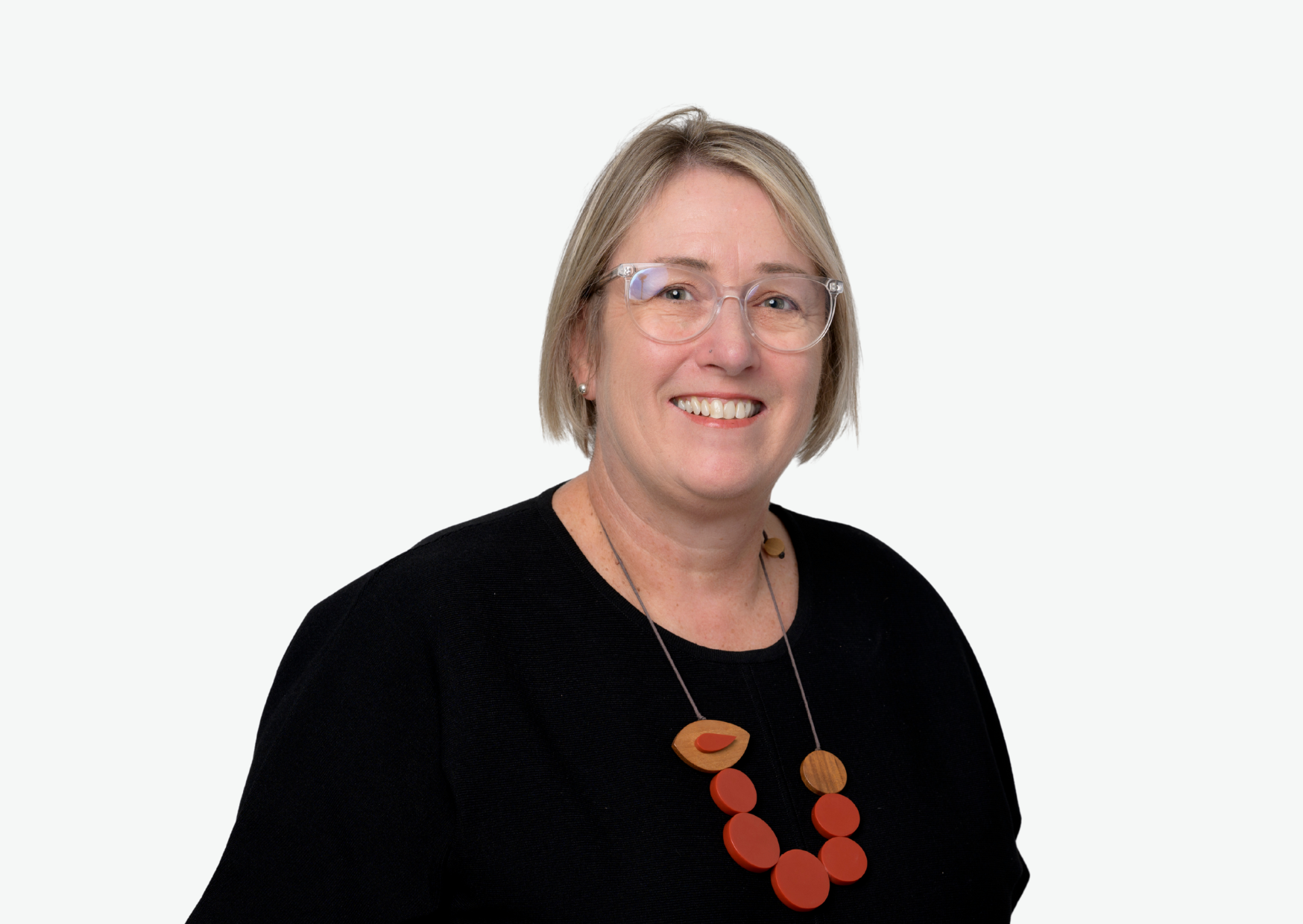
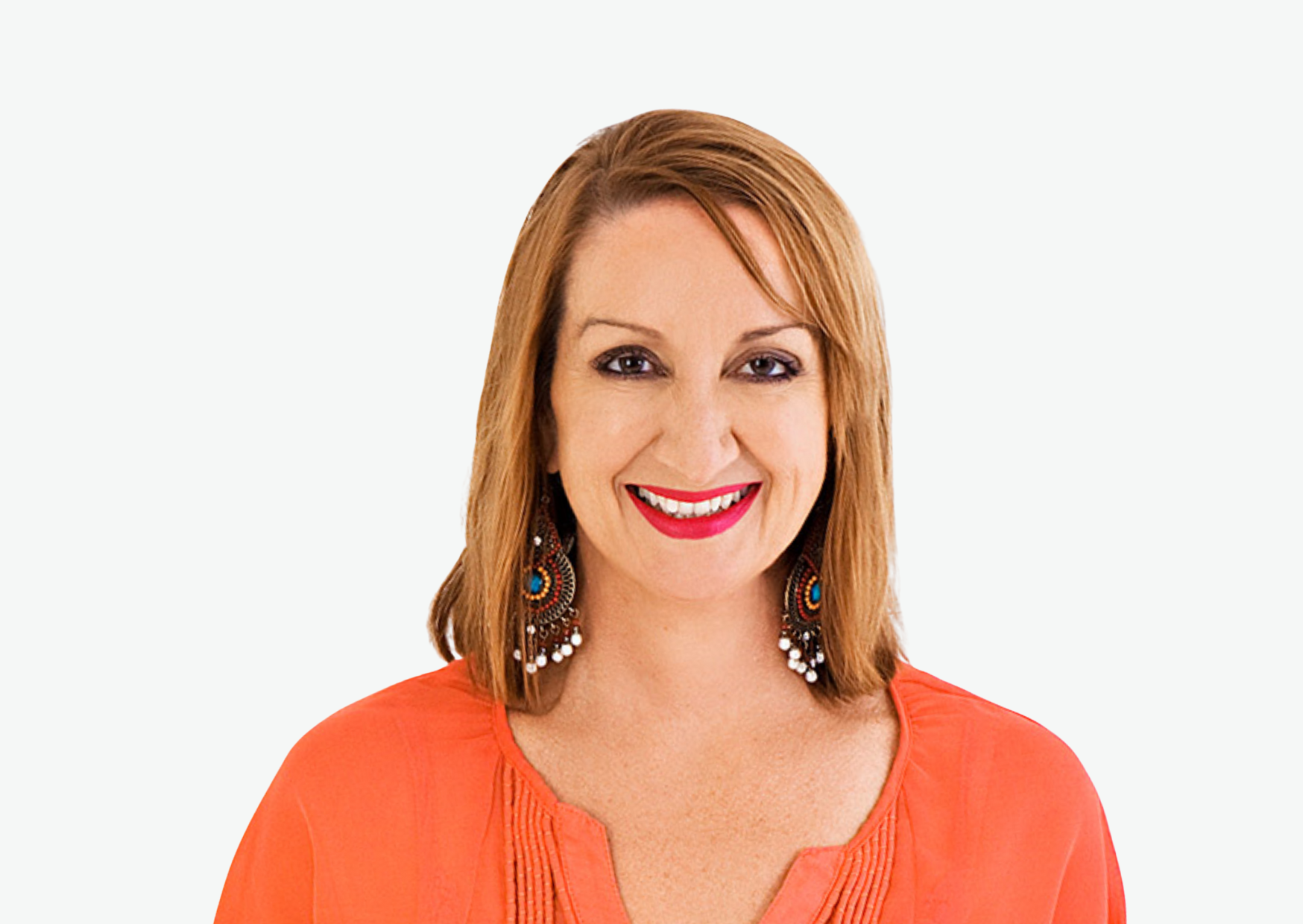
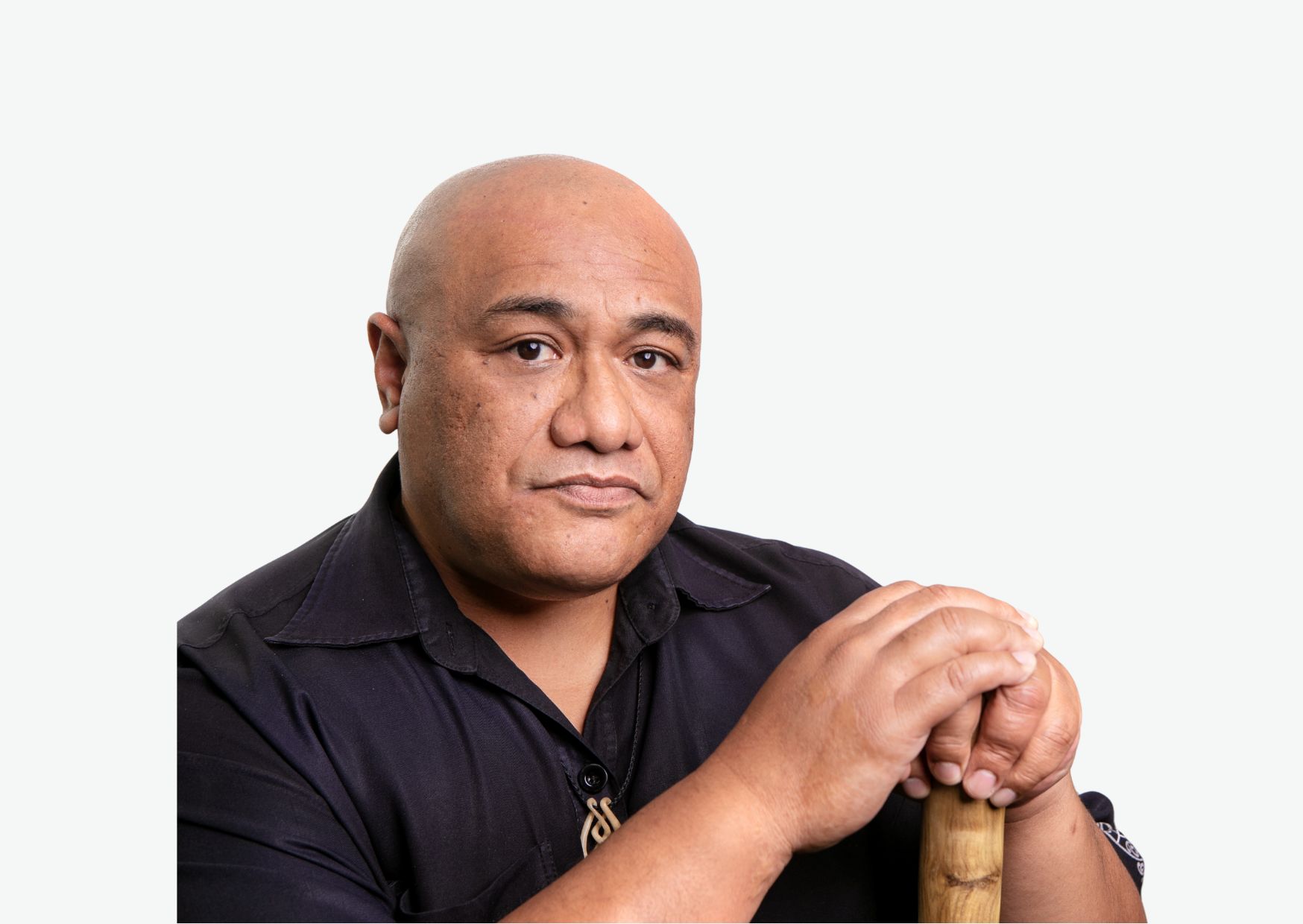
A small virtual international office is led by Steve Appleton, President/CEO. A team of six part-time contractors provide knowledge and expertise, networking, connecting and operational support to GLE. 

Both the Board and Team work closely with Country Liaisons.


If you have any questions please info@gle.world, who will direct your query to the right person.

Global Network

We are a global collaboration funded by a range of countries, including: 

Australia, Canada, England, Italy, Northern Ireland, the Netherlands, New Zealand, Republic of Ireland, Scotland, Slovakia, Sweden, USA and Wales. 

We also work in partnership with leaders from other countries and regions including:  Armenia, Belgium, Germany, Kenya, Switzerland, Zambia to name a few.  

We also work with a number of organizations including: MindForward Alliance, Global Mental Health Peer Network (GMHPN), United for Global Mental Health (UGMH), Pacific Behavioral Collaborating Council, Le Va, University of Auckland – Whāraurau, MHE, EUCOMMS, NASMHPD, NASDDDS, CBHL, NHS Confederation Mental Health Network.  

Australia, Canada, England, Italy, Northern Ireland, the Netherlands, New Zealand, Republic of Ireland, Scotland, Slovakia, Sweden, USA and Wales .

“Working with GLE has been a great experience for our country. We’ve completely reversed the mindset of what we’re doing and how we’re doing it.”

Andrej Vršanský, League for Mental Health Slovakia

View our Global Network

  • Australia flag

    The Australian Government

  • National Mental Health Commission logo

    National Mental Health Commission

  • Canada flag

    Government of Canada

  • England flag

    Department of Health and Social Care England

  • Department of Health Northern Ireland logo

    Department of Health Northern Ireland

  • Netherland flag ggz

    de Nederlandse ggz

  • Netherland flag VGN

    VGN

  • New Zealand flag Te Whatu Ora

    Te Whatu Ora Health New Zealand

  • New Zealand flag Whaikaha

    Whaikaha Ministry of Disabled People

  • Republic of Ireland flag

    Health Service Executive Ireland

  • Italian flag Bologna

    Azienda Unità Sanitaria Locale di Bologna (AUSL Bologna)

  • Scotland flag

    The Scottish Government

  • Slovakia flag

    The League for Mental Health Slovakia

  • Sweden flag

    Swedish Association of Local Authorities and Regions

  • US flag

    Substance Abuse and Mental Health Services Administration

  • Welsh flag

    Health and Social Care Wales

Leadership Principles

OurLeadership Principles and Frameworkare intended to include the important elements of leadership in delivering meaningful, positive change for people and their supporters living with a disability, mental health or substance use and addiction problems.  

The Framework provides a focus on behaviours that promote fairness and transparency whatever the setting.

    • Promote a sense of belonging develop the leadership and management skills to get things done and bring out the best in your team, whether you’re an aspiring, new, or seasoned leader
    • Value diverse experience and expertise
    • Adopt a rights-based approach
    • Amplify voice and increase influence for all
    • Promote a culture that is just and fair
    • Promote an environment of psychological safety
    • Act with integrity, honesty and humility
    • Value all voices and listen with openness
    • Respect and listen to different points of view
    • Encourage truth-telling and listen with curiosity
    • Acknowledge and embrace complexity and unpredictability
    • Engage communities in systemic change
    • Build trusting relationships with a broad range of
      stakeholders
    • Promote team working across organizational and disciplinary boundaries
    • Drive intergenerational collaboration
    • Promote servant leadership and collective leadership models
    • Develop a shared understanding of risk and quality

Lived Experience Council

Lived Experience Council 

GLE’s Lived Experience Council (LEC) was established in April 2024, as part of our ongoing commitment to engage with communities of people who have lived experience of mental health, disability or substance and addiction use. 


The Council is comprised of people with lived and living experience of mental health, disability or substance use and addiction.   

The LEC provides the Board and the organization with expert independent advice from a lived experience perspective. The scope of the Council is to offer direction and input to GLE’s activities, programmes and strategic development and to ensure that the voice of lived experience is not only heard, but acted upon. 

For more information email jenny@gle.world.

Women’s Leadership Network

Our sincere thanks go to Dita Protopopovā and Sarah Hughes for co-chairing GLE’s Women’s Leadership Collaborative over the past few years.

We acknowledge and welcome Joy Brunson-Nsubuga, Akemie Jones and Georgea Madeira from Recovery Innovations, and Andrea Mellalieu from Arcus Community Resources who have partnered and kindly offered to facilitate the Women in Leadership Network over the next while. This is a significant partnership with GLE, which is led by women of sizeable entities.

Recovery Innovations is thrilled to partner in leadership with Arcus Community Resources in support of the Women in Leadership Network. This collaboration represents a shared commitment to empowering women, amplifying diverse voices, and supporting meaningful change within our communities. Together, we are creating space for dialogue, development, and innovation that will strengthen the impact of women leaders across behavioral health and beyond. We believe this partnership will elevate individual leadership journeys, support transformation in the systems in which we work and create enriching, lasting relationships along the way.

Watch out for podcasts from inspirational women leaders – these will be promoted via the GLE Update. Also, the Network will meet online with guest speakers and for planning towards the Leadership Exchange in Canada 2026.

To join the mailing list for the Network and for enquiries contact jenny@gle.world

Greg Kyllo on the opportunities of being part of GLE

  • Greg Kyllo, Canada

Substance Use and Addictions

GLE welcomes leaders of all kinds (lived experience, policy, academic, treatment, public health, health promotion, early intervention, harm reduction, affected others), to connect across the range of substance use and behavioral health challenges.

The GLE framework positions substance use as an intersectoral connection with mental health and disability, while acknowledging approximately 10 – 15% of those with substance use challenges may not intersect at all. By separating addictions we perpetuate a silo focus, which is what we wish to avoid. Our substance use leaders join us with the knowledge we encourage strong connections with mental health and disability.

“The GLE community opened access to leaders in mental health and addiction that wouldn’t have been accessible otherwise.”

Greg Kyllo, Canada


Evidence shows that at least 85% of people with substance use (includes alcohol and drug, tobacco, vaping, gaming, eating disorders) issues experience some form of mental health challenge. At least 50% of people with mental health issues experience some form of addictive behaviour. People with physical disabilities experience substance use disorders at 2 – 4 times the rate of the general population. (1) Approximately 5% of people with an intellectual disability have substance use disorder (2). Approximately 20% of people who survive a traumatic brain injury will develop a new problem with substance use (3).

For those who have experienced and continue to experience substance use challenges, we acknowledge the value of lived experience and the recovery journey (recovery is a process rather than a single event, which takes time to achieve and maintain). Our treatment workforces globally also comprise people in recovery and many services are led by people in recovery. The peer support workforce is in various stages of development internationally. GLE is informed by lived experience through the Lived Experience Council. There is an active connection with the GLE Lived Experience Council and the GLE Addictions Leadership Collaborative.

A harm reduction approach brings a set of strategies that aim to reduce the harmful effects of substance use with a focus on prevention, risk reduction and health promotion. Abstinence can be a part of harm reduction, but harm reduction is not always based on abstinence. Harm reduction strategies can include safer use.

Of GLE membership countries, the term ‘substance use’ and ‘behavioural health’ is used in Canada, ‘substance misuse’ in America, ‘addictions’ in New Zealand, ‘substance misuse’ in the UK, ‘alcohol and other drugs’ in Australia. Behavioural addictions such as gambling, online gaming, internet, social media, sex all form part of unhealthy  behaviours that can cause harm. Some countries include gambling harm prevention and treatment as part of their ‘addictions’ suite of services.

We welcome members who work in and represent a broad range of addiction themes. We acknowledge that member countries use differing terminology, and that sometimes this terminology is flexibly used to attract funding, promote treatment access, and address stigma and discrimination.

For enquires contact GLE’s Substance Use Lead jenny@gle.world

References:

  1. Addiction Center
  2. AIMS Public Health 2021
  3. Brain Injury Canada


“The ability to connect with others across the world is so important for us – especially being able to share experiences during Covid and its impact on young people.”

John Zonnevylle, New Zealand

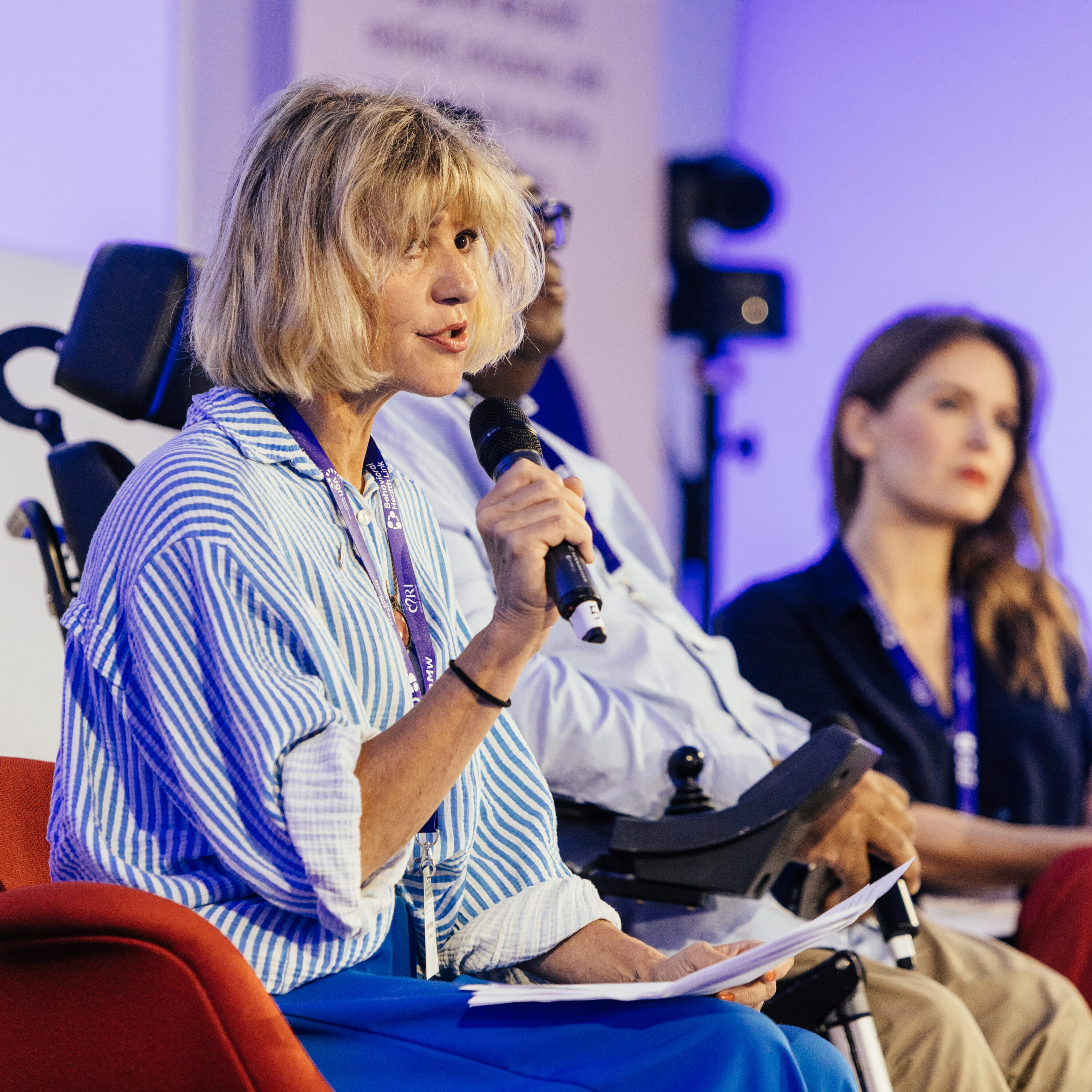
Photo of participants in one of the panel sessions at the Leadership Exchange 2024

We’d love to hear from you!

Get in touch